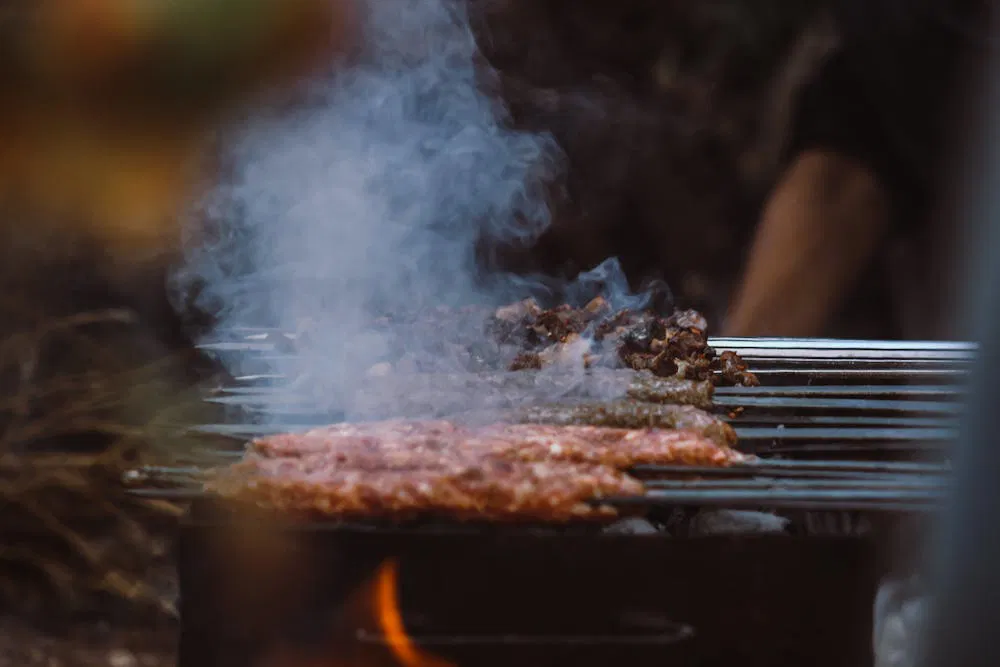
I stood over a gas barbecue in Peckham last summer, staring at a lid that looked spotless on the outside but hid a layer of sticky black grease under every ridge. The owner swore he kept it “clean enough”, yet the moment I turned the burners on, smoke rolled out in thick clouds and the flames jumped like the set of a low-budget action film. I’ve seen this so often that I can guess the smell before I even lift the hood. It’s that mix of old fat, soot, and London damp that clings to metal like glue.
I run a small BBQ and oven cleaning business here in London, and I’ve handled every type of gunk these grills can throw at me. I’ve scraped, brushed, steamed, and scrubbed barbecues that looked beyond saving. I’ve also seen how a few small habits keep grease from building up in the first place. If you’ve ever wondered why your barbecue smokes too much, smells odd, or flares up when you cook plain chicken, the answer almost always sits under the hood in the form of hardened grease.
I want to walk you through the ways to stop that buildup before it starts. Nothing fancy. Nothing time-consuming. Just straight, hands-on advice from someone who cleans these things for a living.
Why Grease Builds Up So Fast
The Nature of Barbecue Grease
Anyone who cooks on a barbecue has met that shiny layer that looks harmless at first. Fat melts from the meat and drops onto hot surfaces. The moment it hits metal, it crackles and smokes. Some of it burns off, but a good portion turns into vapour. That vapour rises, then settles on cooler parts of the hood or the sides. A thin smear forms. A few cooks later, soot sticks to it. Fresh grease bonds with old residue, and suddenly the surface feels tacky instead of smooth.
I touch grates every day, and I can tell how many cooks have passed by the feel alone. Once grease reaches the tar-like stage, a quick wipe won’t move it. It clings hard and starts to trap more dirt, smoke, and seasoning until the whole inside of the barbecue looks like an oil rig.
The Impact of London’s Weather
London weather doesn’t help either. Moist air slows everything down. A barbecue cools unevenly after cooking, and that damp sits on the metal as a thin film. Residue clings to moisture far more easily. Heat from the next cook turns that moisture into small droplets that slide around inside the hood, dragging half-melted grease with them.
I’ve cleaned barbecues after a wet weekend and found streaks running down the sides like someone painted them with old caramel. Nothing new leaked out. It was just the damp turning yesterday’s residue into a sticky stream.
Daily Habits That Keep Grease From Settling
A Fast Clean After Each Cook
I tell my customers the same thing every time: take thirty seconds while the grates are warm. A warm grate releases residue far better than a cold one. I run a brush over the metal while it still holds a little heat. It doesn’t need force. Just light passes.
I wait for the barbecue to cool, then clear the drip tray. That tray collects far more than drips. It catches flakes, soot, loose bits of fat, and burnt marinade. If it overflows or dries into a hard layer, the heat from the next cook melts it and sends the smell straight into the food.
A quick wipe under the lid helps too. I mix a little warm water with a mild cleaner and run a cloth across the inside. It stops greasy streaks from forming lines that turn black later.
Spotting Early Signs of Buildup
A barbecue gives tiny hints before the problem gets big. Small brown lines under the hood show that vapour has been settling. Light flare-ups during simple cooking mean old oils have reached the burning point. A sweet, smoky scent usually tells me fat is melting on top of old residue instead of burning cleanly from the food.
These signs often turn up long before the grill looks dirty.
How Heat Control Helps
I’ve watched people cook with the burners all the way up, thinking it makes the job quicker. High heat sends splashes of fat everywhere. Flames shoot up and spray tiny oily particles across the inside of the hood. Lower heat keeps the cooking steady and limits how much residue travels in the air.
Charcoal grills behave the same way. Even heat spreads the fat out as it melts. Piling all the charcoal under one spot sends heat up in one column, and that column carries grease with it. Spreading the coals reduces that effect by a lot.
Deep Clean Methods That Stop Grease From Returning
Breaking Down Heavy Layers
A deep clean makes the barbecue feel new again. I start by softening the thickest residue. Warm water works wonders, especially when paired with a cleaner suited to the metal. Stainless steel can take most mild degreasers. Coated surfaces need gentler products. Cast-iron grates need treatments that won’t strip their seasoning.
I’ve seen people use oven pads or harsh cleaners on enamel and wonder why the surface looks cloudy after. Certain chemicals leave marks that don’t fade. A slow, warm soak does more for heavy grease than any harsh product.
Clearing Burners and Fireboxes
Burners clog over time. Old grease chars into flaky bits that fall into holes and sit there. Gas grills then burn unevenly or flare too often. I remove the burners, give them a light brush, and clear each hole with a small tool. It takes patience, not force.
The firebox holds most of the mess. Flakes, ash, charred fat, and soot all settle there. A few deep cleans a year keep that space safe. Once the firebox fills up, heat reflects back in odd ways and causes flare-ups.
The Value of a Professional Clean
I tell people to call a cleaner once a year. A proper service reaches every hidden part. Steam loosens residue without damaging metal. Fine brushes reach the tight spots around burner brackets. A cleaner also spots small faults, loose screws, clogged igniters, and cracked flavour bars. These problems stay tiny if someone catches them early.
A yearly clean keeps the barbecue running steady and stops it reaching that stage where grease starts to smoke even before you put food on.
Tools and Products That Actually Help
Brushes and Scrapers
I use different brushes for different surfaces. Stainless steel grates handle wire brushes well. Enamel-coated grates need nylon. Cast iron likes firm pressure but not metal scraping. A simple scraper works for flat plates, though it should never gouge the metal.
Grease-cutting Solutions
I keep two types of cleaners with me. One handles oily film. The other handles carbon. A mild mix of warm water, a soft degreaser, and a cloth clears light residue. Tougher carbon patches need a product made for cooked-on fats. Painted surfaces always need the gentle option. Harsh chemicals fade paint faster than people think.
Protecting Surfaces After Cleaning
Cast-iron grates need oil after cleaning to stop rust forming. Stainless steel also likes a thin coat. I rub a tiny amount on a cloth and go over the metal once. Too much oil attracts dust, so a light touch works best.
Drip trays stay cleaner with a liner. Foil works well. I line the tray, fold the edges up, and remove it when it fills. This stops burnt layers forming, and it keeps the tray in good shape for years.
Storage, Covers, and Off-season Care
How Storage Reduces Grease Problems
A cover does more than keep rain off. It blocks dust and soot from the air. Dust sticks to thin grease and turns it gritty. Moisture creates streaks and leaves the surface damp enough for residue to cling. A cover reduces all of that.
Off-season Deep Clean Routine
I always clean a barbecue fully before winter. I strip the parts, soak the grates, scrape the firebox, clear the burners, scrub the hood, and dry everything. A clean barbecue stores far better than a dirty one. Grease hardens even more in cold weather, and the next spring clean becomes ten times harder.
Dry parts matter too. Moisture inside the grill over winter creates rust on cast iron and leaves marks on steel. Once everything dries, I reassemble the barbecue and cover it.
Cooking Choices That Keep Grease Low
Choosing Cuts and Sauces Wisely
Certain cuts release more fat. Thick pork belly sprays tiny droplets that settle on the hood. Heavy, sugary sauces drip and burn. I love flavour as much as anyone, but I often guide customers toward cuts that cook cleanly. Skinless chicken, lean steaks, and lighter marinades reduce the amount of residue that ends up inside the grill.
Managing Drips During Cooking
I place drip pans under fatty cuts to catch run-off. Foil under a roasting joint keeps the bottom of the hood clear. Gas grills benefit from cooler zones, letting fat melt slowly rather than hitting hot metal in one go. Lid control matters too. A steady temperature limits how much vapour travels around the hood.
If you follow these habits, your barbecue stays cleaner, safer, and far easier to maintain. I’ve cleaned enough grills to know that grease never arrives all at once. It creeps in bit by bit. A few smart steps keep it from building up at all, and you get better flavour from every cook. If you ever hit a stage where the smoke looks wrong or the flames spike even on low heat, you know who to call — this is my world, and I’m always happy to help.